


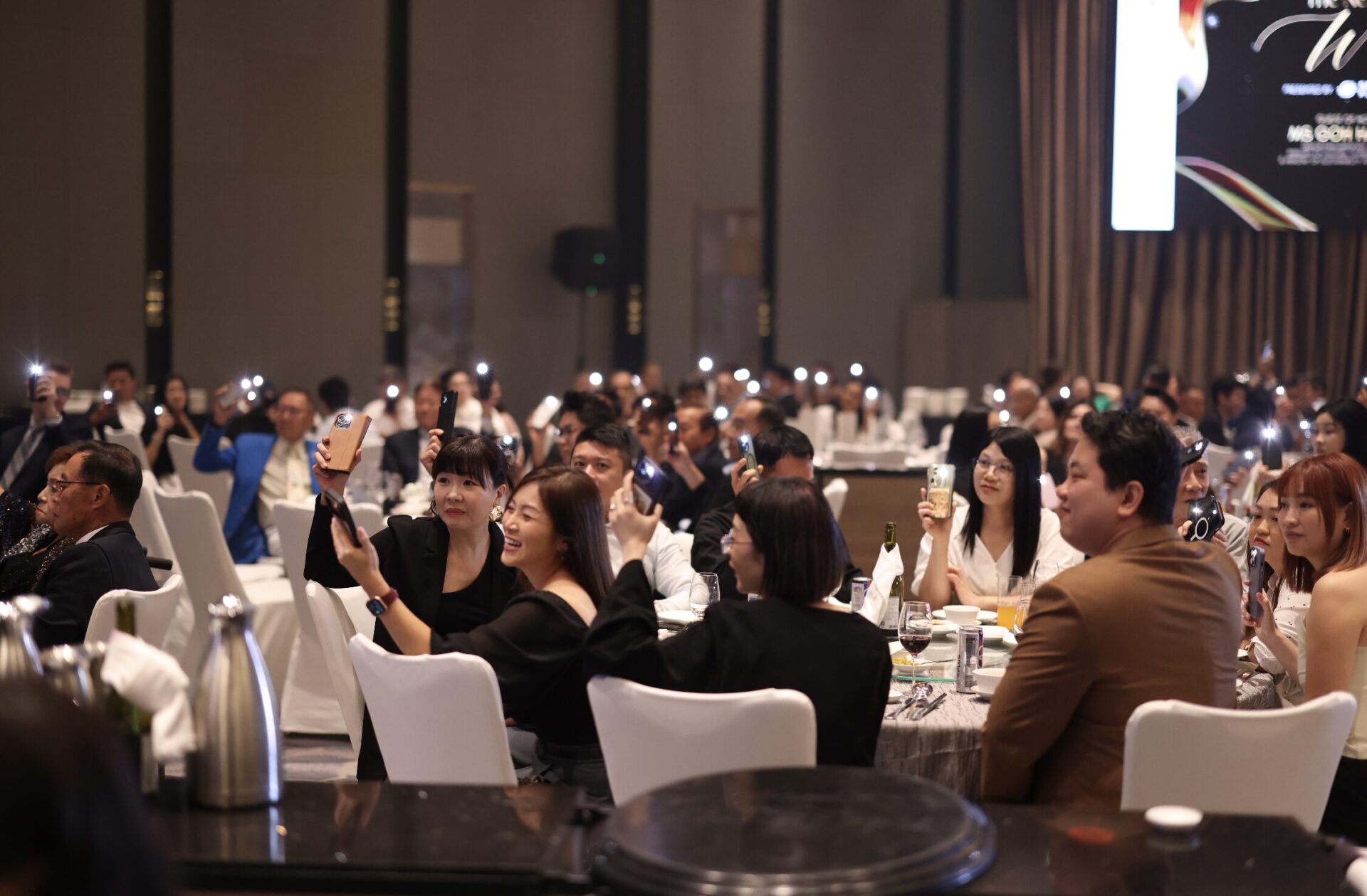
When brands plan a conference side event in Singapore, most of the attention tends to go to the venue, the programme, or the overall experience. Those things matter. But one of the biggest factors behind whether the event actually works is much simpler: who is in the room.
You can have a beautiful setup, strong branding, and a well-run programme, but if the guest list is not right, the event will struggle to create the kind of conversations you wanted it to. For a side event especially, success is rarely about getting the biggest crowd. It is about getting the right mix of people together in the right setting.
That matters even more in Singapore, where the business events ecosystem is highly competitive, globally connected, and built for conferences, meetings, and corporate gatherings. Singapore’s official MICE platforms position the city as a world-class business events destination with strong infrastructure, global connectivity, and access to more than 1,700 venues, making it an attractive hub for overseas brands hosting side events around major conferences.
Start with the purpose of the event
Before you think about names, tables, or invitation lists, define what the side event is actually meant to do.
A guest list should never be built in isolation. It should come from the event objective.
Are you trying to strengthen existing client relationships? Meet prospective partners? Bring together investors and founders? Create a more intimate setting for senior decision-makers? Position your brand in front of a niche audience during a major conference week?
A networking dinner for high-value clients should not have the same guest mix as a founder mixer or a thought leadership roundtable. If the objective is unclear, the guest list usually becomes too broad, and once that happens, the event itself starts losing focus.
The first question to answer is not “Who can we invite?” It is “Who needs to be in the room for this event to be worth having?”
Build around audience quality, not audience size
One of the most common mistakes brands make with side events is confusing turnout with success.
A full room may look impressive, but the real value of a conference side event often comes from the quality of the conversations it enables. A smaller guest list made up of well-matched attendees will usually outperform a larger room filled with loosely relevant contacts.
That is especially true during major conference periods, when guests are already juggling multiple invitations, meetings, dinners, and competing events. The stronger your guest list curation, the stronger your event feels.
Instead of aiming for maximum attendance, focus on audience fit. Ask yourself whether each person on the list is likely to contribute to the type of room you are trying to create.
Identify the roles that matter most
A good guest list is not just a list of company names. It is a deliberate mix of people, roles, and relationship value.
Depending on the event, you may want to prioritise:
- existing clients or strategic accounts
- warm prospects
- senior decision-makers
- founders and operators
- investors or partners
- media or ecosystem voices
- speakers, hosts, or facilitators
- internal leadership representatives from your own team
What matters is not inviting every relevant person you know. It is deciding which roles are most important to the event’s purpose.
For example, if the goal is partnership development, then having a room full of peers with no decision-making power may not help much. If the goal is community building, then a room made up only of executives may feel too rigid. The mix has to match the outcome.
Segment your guest list into tiers
A practical way to build a stronger guest list is to divide invitees into tiers before outreach begins.
This helps your team stay clear on who matters most and prevents the list from becoming reactive later on.
A simple structure could look like this:
Tier 1: must-have guests
These are the people the event is really for. If they are not there, the event loses significant value.
Tier 2: high-priority guests
These attendees are highly relevant and would strengthen the room, even if they are not the core reason for the event.
Tier 3: good-fit additions
These guests support the overall energy, diversity, or networking potential of the event, but are not critical.
This kind of tiering is especially useful when capacity is limited, the event is invite-only, or your team is trying to protect the quality of the room.
Think in terms of room chemistry
The best guest lists are not just commercially relevant. They are socially and strategically balanced.
A side event should feel intentional, not random. That means thinking about room chemistry.
Will the guests have enough in common to start conversations naturally? Is there a good balance between familiar faces and new connections? Is the mix too senior, too junior, too sales-heavy, or too scattered? Will the event feel like a curated gathering or an awkward collection of unrelated attendees?
This is often the difference between an event that feels flat and one that feels alive.
A well-built guest list creates its own momentum. People feel that they are in the right room, with the right kind of people, for the right reason.
Do not over-invite just to fill the room
Another common mistake is expanding the guest list too quickly out of fear that turnout will be weak.
This usually leads to one of two problems. Either the event becomes too broad and loses its positioning, or the final room ends up feeling mismatched because too many filler guests were added late.
A side event during a conference is not meant to appeal to everyone. In fact, part of what makes it attractive is that it feels selective and relevant.
A smaller, better-curated room often creates stronger networking, better energy, and more meaningful follow-up than a crowded event built mainly to avoid empty seats.
Consider timing, format, and venue together
Your guest list should also reflect the practical realities of the event.
A breakfast roundtable will attract a different type of guest from an evening cocktail event. A private dining room creates a different dynamic from a standing networking session. A leadership dinner at a premium venue sets a different expectation from a casual mixer.
This means the guest list cannot be separated from the event format.
Some people are well suited to intimate discussion-based settings. Others are more comfortable in open networking environments. Some events require a tightly curated invite-only audience. Others benefit from a broader but still relevant mix.
The more closely the guest list matches the event design, the stronger the experience will feel.
Make the invitation feel worth accepting
At major conference periods, your guests are not deciding whether to attend an event in a vacuum. They are comparing your invitation against many others.
That means your invite needs to do more than state the time and location. It needs to make the value of attending clear.
Why this event? Why this room? Why now?
The answer may be the guest mix, the topic, the exclusivity, the brand hosting it, the venue, or the type of conversations attendees can expect. But there has to be a reason.
The strongest guest lists are often built not just through good targeting, but through strong event positioning. People are more likely to attend when the invitation makes them feel that this is a room worth being in.
Track RSVPs with strategy, not just administration
Guest-list building does not stop once invitations are sent.
RSVP management is where strategy continues. Who has accepted? Who has declined? Which priority guests have not responded? Is the room becoming too weighted toward one segment? Do you need to adjust the balance before the final confirmation list is locked?
This is where many teams become purely administrative. But RSVP management is actually one of the most important stages in shaping the final event outcome.
A smart team treats the RSVP process as an active curation phase, not just a tracking task.
Work with a local event partner who understands the room you need
For overseas brands hosting conference side events in Singapore, guest list planning is often harder than it looks.
It is not just about knowing who to invite. It is about understanding the kind of room that will work in the Singapore context, the expectations around event style and seniority, how conference-week audiences behave, and how to build a guest mix that feels deliberate rather than opportunistic.
This is where working with a local event organiser can help.
Singapore is positioned by its official business events bodies as a reliable and globally connected MICE destination with strong supplier networks, premium venues, and integrated event support. That makes it an excellent market for side events, but it also means guest expectations are high and competition for attention is real.
At TheMeetUp Singapore, we do not just think about event logistics. We think about the room itself — who should be in it, how the event should feel, and what kind of environment will create the right conversations for your brand.
The right guest list makes the event
When a side event works well, people often remember the atmosphere, the quality of conversation, and the feeling that the room was right.
That rarely happens by accident.
The most effective conference side events in Singapore are usually not the ones with the biggest turnout. They are the ones with the clearest purpose, the most intentional guest mix, and the strongest alignment between audience, format, and experience.
Because in the end, a good side event is not just about hosting people. It is about bringing the right people together.
Planning a conference side event in Singapore?
TheMeetUp Singapore helps brands plan and execute conference side events, private dinners, networking events, and premium corporate gatherings in Singapore. If you are looking to build a guest list that supports real conversations and stronger event outcomes, we can help you shape the room as carefully as the event itself. Send us a message on WhatsApp at +6587930476 or email us at enquiries@themeetupsg.com.