Many companies confuse team lunches with building culture. Here is why the distinction matters for HR teams planning corporate events in Singapore.
Ask most HR teams in Singapore to describe their events calendar, and the monthly team lunch and the annual culture event often get lumped into the same category. Both take the team away from their desks. Both are meant to build some kind of connection. Both usually sit under the same line item in the event’s budget.
But in practice, these two are not really versions of the same thing, and treating them that way is one of the more common reasons corporate events end up falling flat.
A team lunch and a culture event are built for different purposes. They need different levels of planning, and they tend to produce quite different outcomes. This is not just a matter of definitions either. Getting the difference right changes how HR teams plan, budget, and judge whether an event actually worked.
What a team lunch is actually for
At its core, a team lunch is a maintenance activity. It keeps everyday working relationships warm, gives colleagues a reason to step away from their desks together, and creates small, informal moments of connection on a fairly regular basis.
It is meant to be low effort, and that is by design. There is usually no theme, no formal programme, and no specific objective beyond spending time together. A team lunch works precisely because it does not try to be anything more than what it is.
These lunches are frequent, familiar, and largely interchangeable from one month to the next. Their value comes from showing up consistently, not from any single occasion needing to stand out.
What a culture event is actually for
A culture event, on the other hand, is not simply a bigger team lunch. It belongs to a different category altogether.
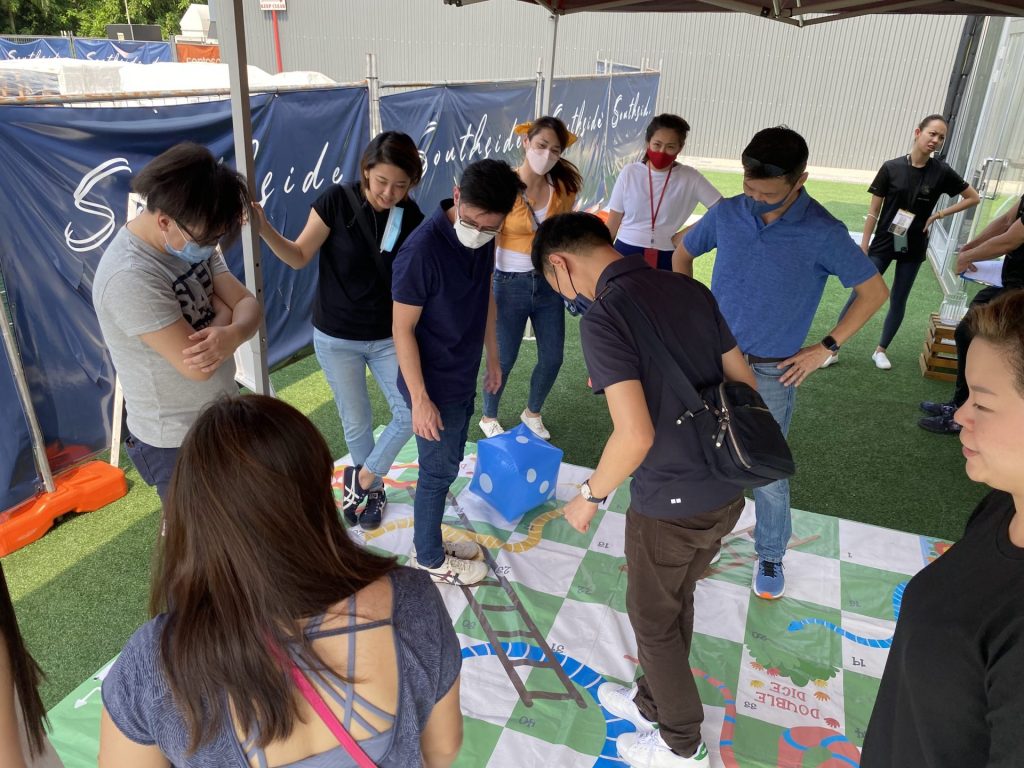
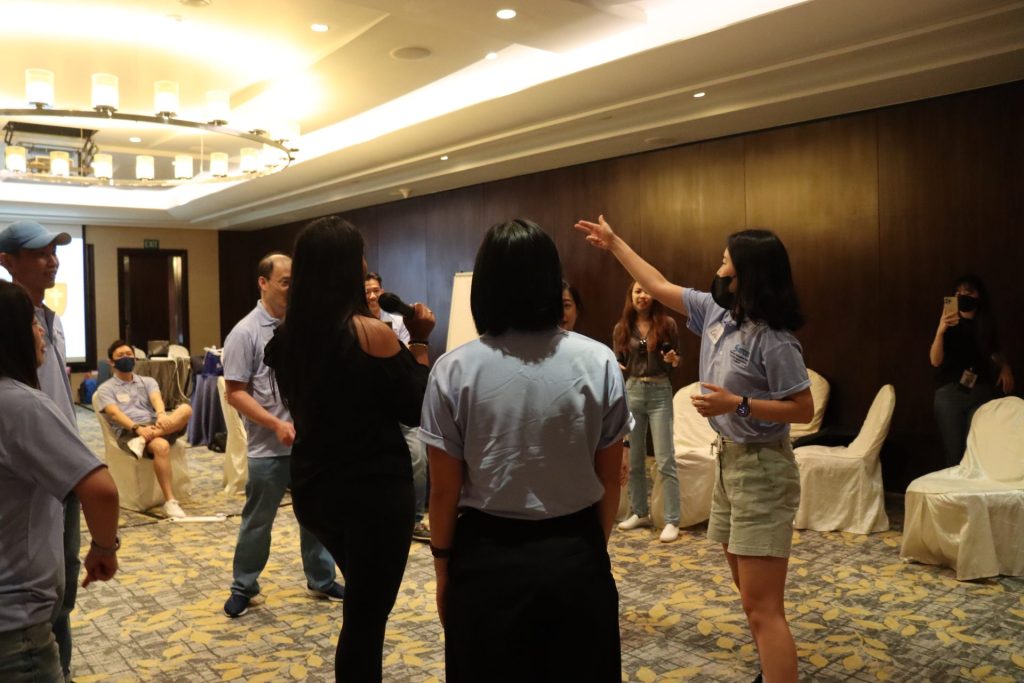
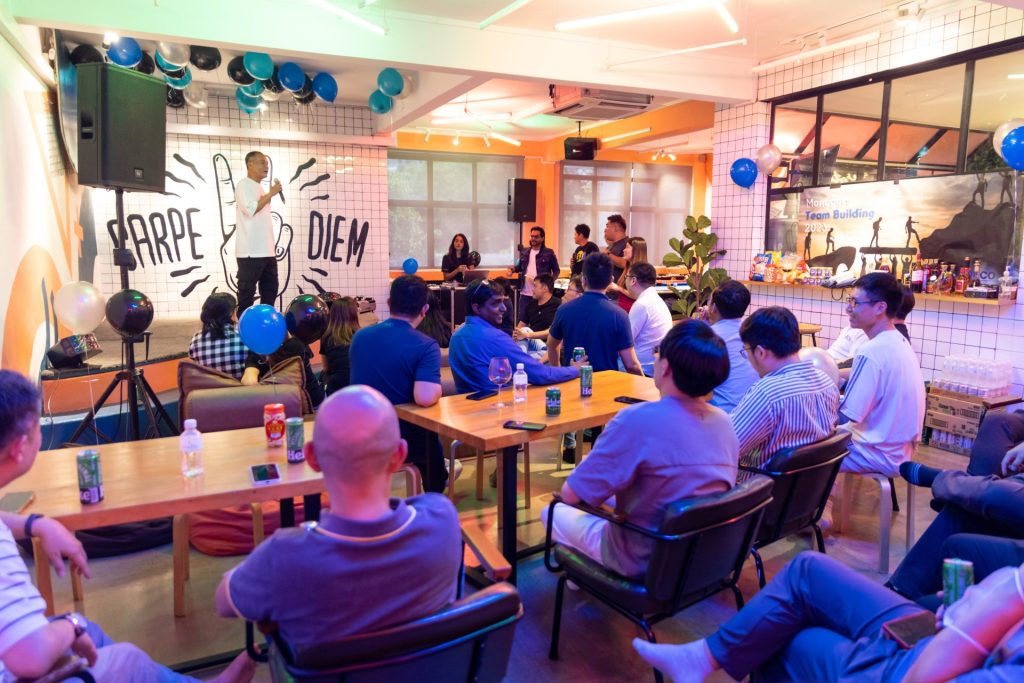
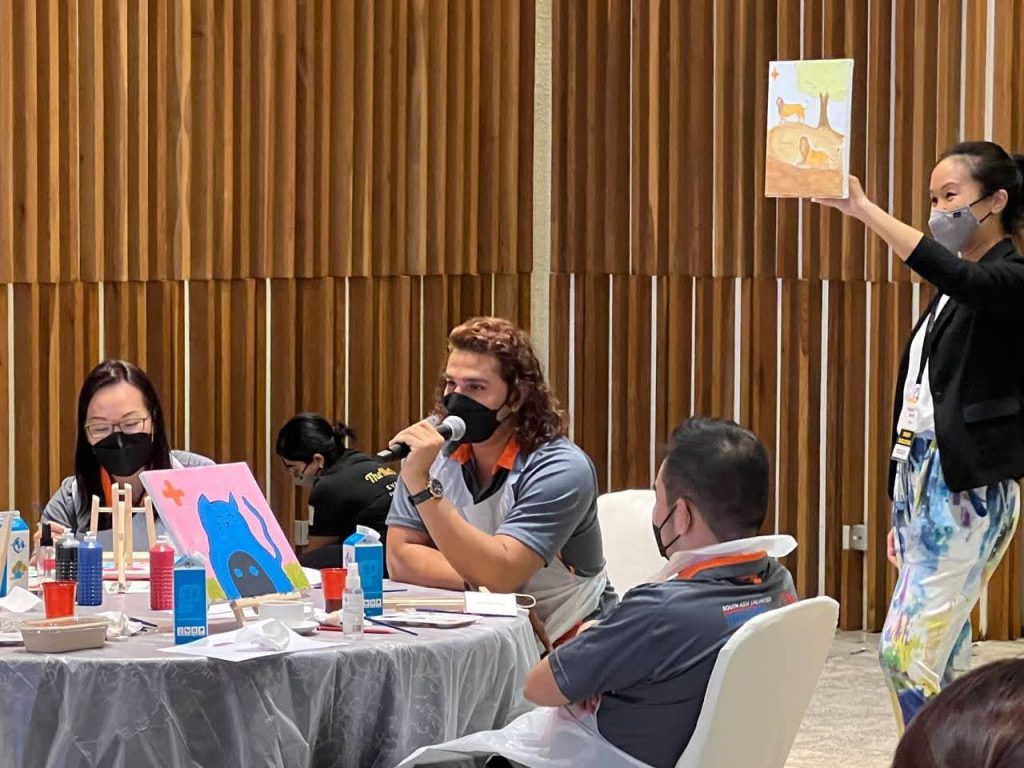
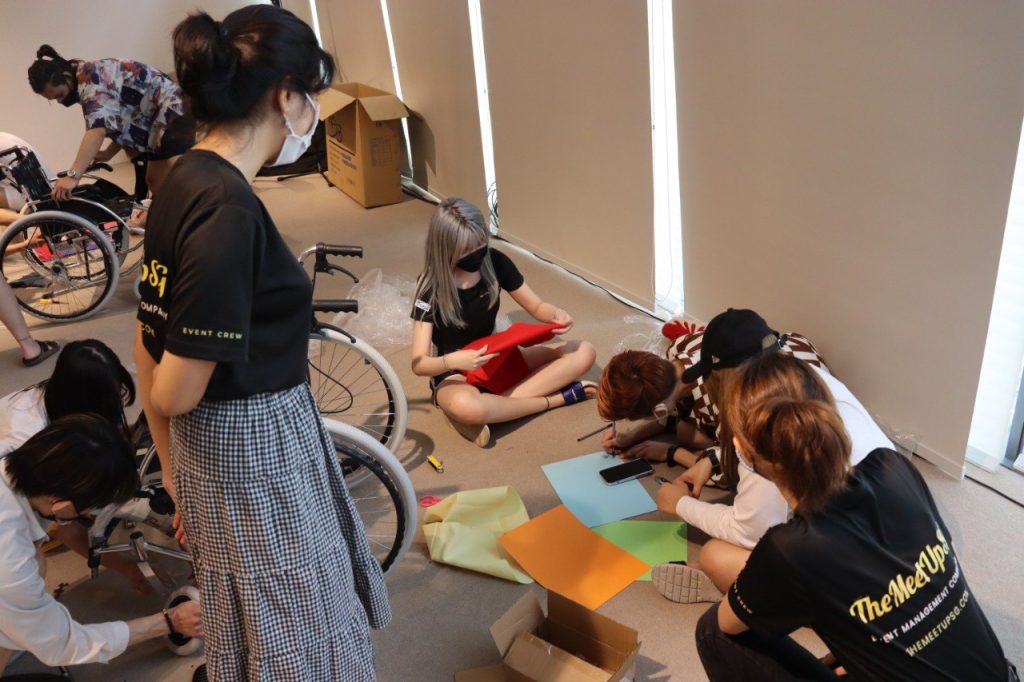
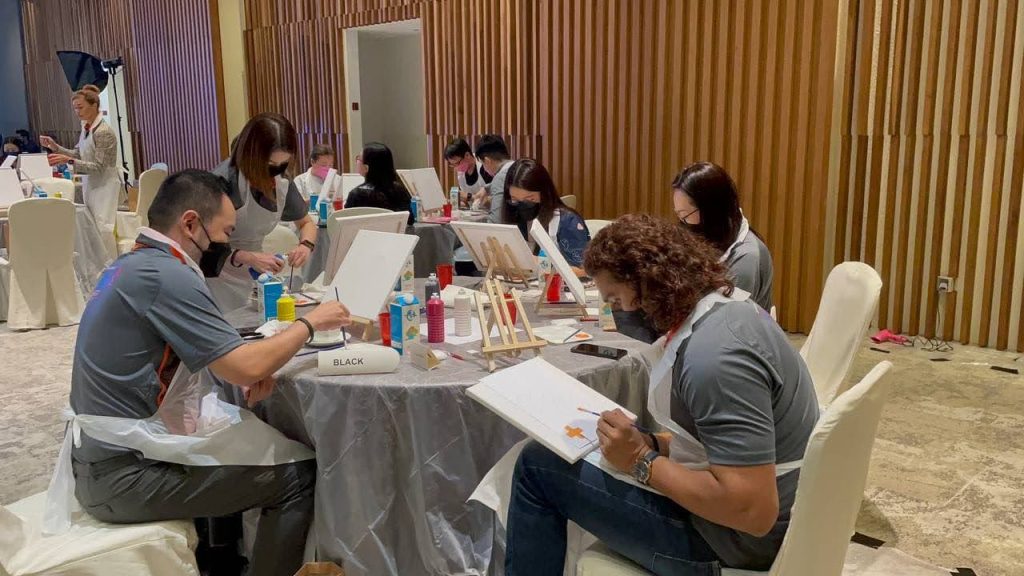
A culture event is built around an intentional outcome. It might be designed to reinforce company values, mark a genuine milestone, welcome new joiners into the identity of the organisation, or give the team a shared experience that reflects who the company is and where it is heading.
Unlike a team lunch, a culture event needs a clear purpose defined before anything else gets planned. The venue, format, and programme should all support that purpose, rather than it being an afterthought bolted on once the event is already booked. It is meant to be memorable rather than routine, and it usually happens far less often precisely because of that.
The real difference comes down to intent, not budget
It is easy to assume that the line between a team lunch and a culture event is really about spending. A bigger budget, a nicer venue, and a longer guest list are often treated as the telltale signs of a culture event.
That assumption does not really hold up. A modest gathering with a genuine purpose behind it can do far more for company culture than an expensive event with no clear reason for existing. And a lavish dinner without any intentional design behind it is, in practice, still just a larger lunch.
What actually separates the two is intent. A team lunch exists to maintain relationships that already work reasonably well. A culture event exists to shape, reinforce, or shift something about how the organisation feels from the inside. One is about upkeep. The other is about identity.
Why the confusion causes real problems for HR teams
This confusion tends to show up in one of two ways.
The first is treating a culture event like an oversized team lunch, where the guest list, format, and programme are simply scaled up without much thought given to why the event exists in the first place. The result often feels expensive but somewhat hollow. People notice the effort that went into the production, yet nothing about the day actually reinforces what the company stands for.
The second problem is more common, and often more damaging. It is expecting a team lunch to do the work of a culture event. When engagement scores dip, or when leadership starts asking for stronger cultural cohesion, the easy response is often to schedule a few more lunches. But a maintenance activity was never designed to repair or build something that needs intentional design in the first place. More lunches will not close a gap in values, identity, or direction. Only a properly designed culture event can begin to do that.
How to know which one your team actually needs
Before booking the next gathering, it is worth sitting with a few honest questions:
- Is the goal simply to keep everyday relationships warm, or is there something specific the organisation is trying to reinforce, mark, or shift?
- Is this meant to be something the team barely notices as different next month, or is it meant to stand out as a distinct moment in the year?
- Would leadership be satisfied if people simply had a good time, or are they expecting the day to say something about who the company actually is?
If the honest answer points toward routine and familiarity, a team lunch is the right tool for the job. If it points toward identity, milestones, or genuine cultural reinforcement, the occasion calls for a properly designed culture event, not a bigger lunch dressed up to look like one.
Getting this distinction right early on saves a surprising amount of wasted budget and misplaced expectation later.
Why this distinction is worth getting right
A team lunch and a culture event are not competing options fighting for the same slot on the calendar. They serve the organisation in different ways, and a healthy events calendar usually makes room for both.
The mistake is rarely choosing one over the other. It is failing to recognise which one a given moment actually calls for, and ending up with the wrong kind of event as a result.
When HR teams are clear on this distinction, budgets get spent more effectively, expectations are set correctly from the outset, and the events meant to shape culture finally get the intentional design they actually deserve.
Planning a corporate event in Singapore?
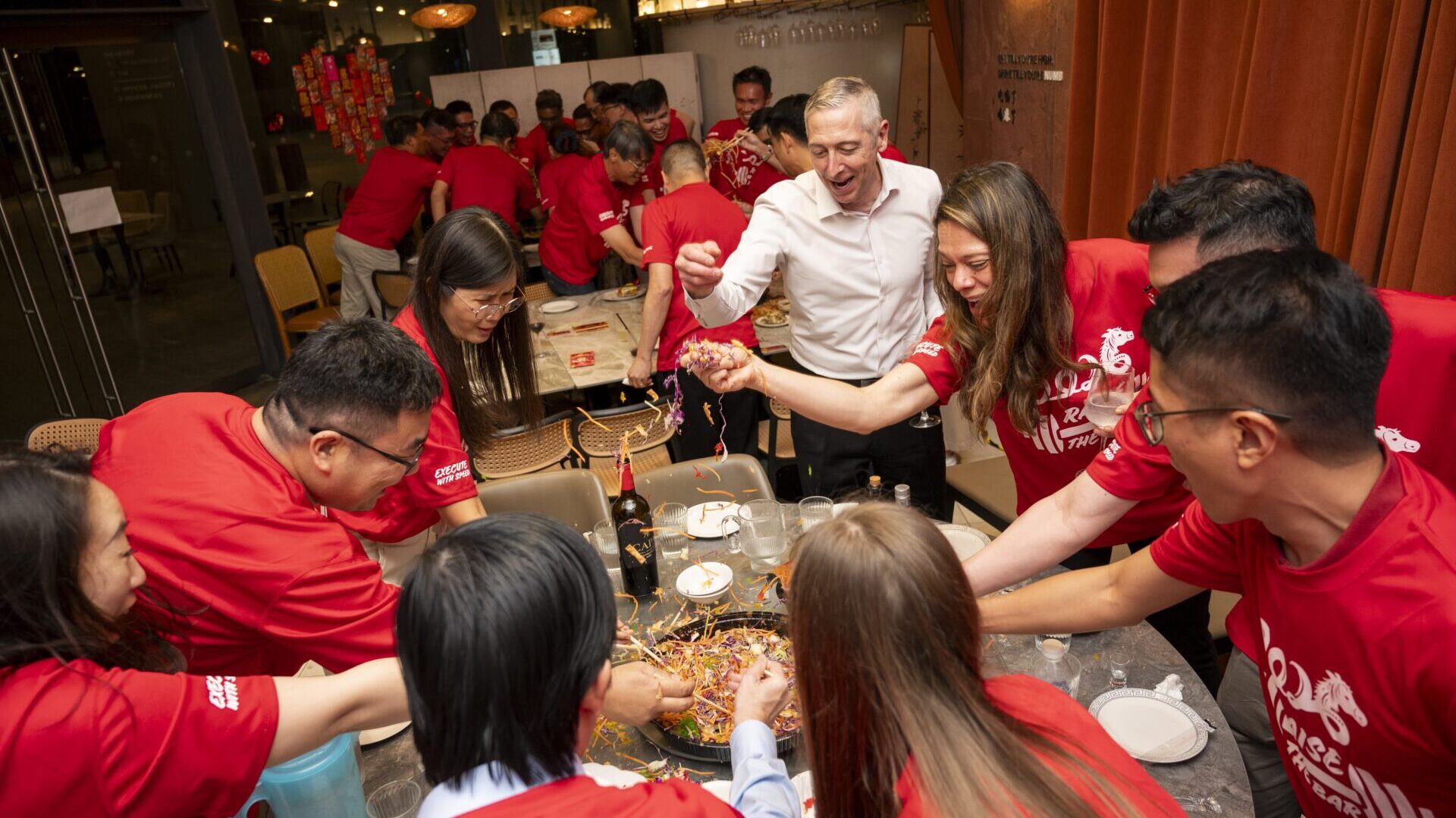
TheMeetUpSG helps HR teams design the right kind of event for the right purpose, from regular team lunches to fully designed culture events, company celebrations, and appreciation days. If you are trying to work out what your team genuinely needs next, we are happy to help you think it through properly.