


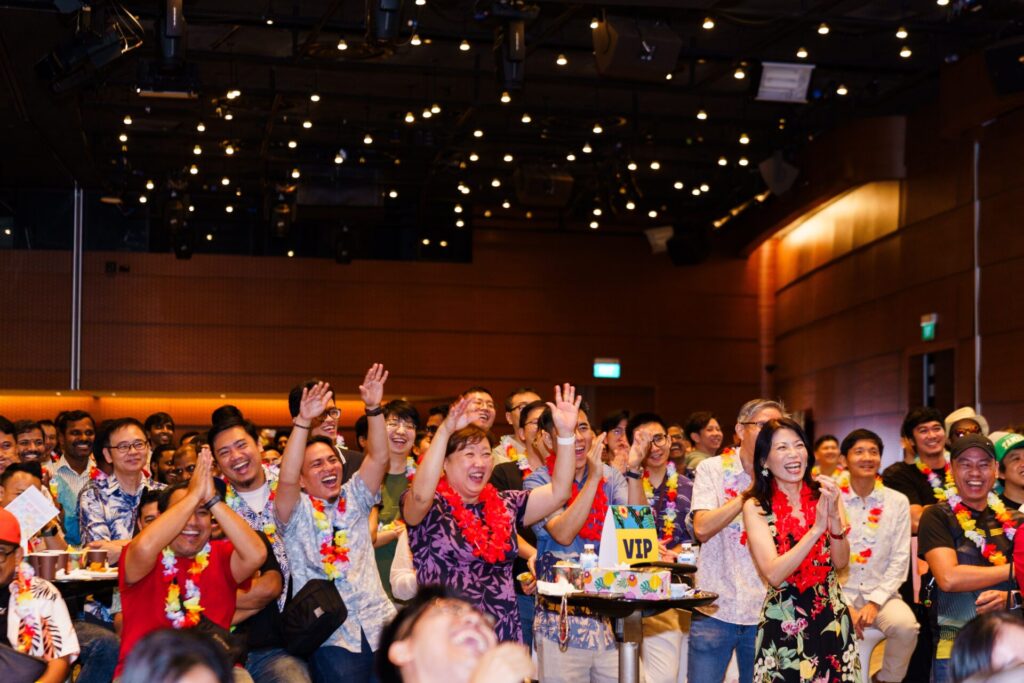
Eight weeks before a D&D feels comfortably far away, which is exactly why so many important decisions quietly slip past this point without actually getting made. The date feels close enough that nobody is panicking yet, but far enough away that it still feels safe to leave things open a little longer.
That sense of comfort is misleading. A dinner and dance is one of the few events on the corporate calendar where nearly the entire company is meant to feel the effort behind it, not just a small team or department. Getting that right at scale requires a genuine planning window, and eight weeks out is usually the last point where a team still has real flexibility, rather than simply reacting to whatever is still available.
Understanding what actually needs to be locked in by this point, and why, makes the difference between a D&D that comes together smoothly and one that becomes a stressful scramble in its final weeks.
Why eight weeks is the real deadline, not the final countdown
Most teams think of the weeks closest to the event as the pressure point, when in reality the eight week mark is where most of the genuine decisions need to be finished. Everything after this point is largely about execution, confirmation, and managing details, rather than making the choices that actually shape the night.
Venues, particularly popular ones during peak D&D season, are often already committed by this point if a booking has not been confirmed. Vendors for entertainment, decor, and production tend to fill their calendars around the same window, since most companies are planning their D&D at roughly the same time of year. Waiting past eight weeks does not just add pressure. It quietly narrows the options that are actually still available.
Confirm the venue and date, if this has not already happened
If the venue and date are not locked in by the eight week mark, this needs to become the immediate priority, ahead of almost everything else on the planning list.
A confirmed venue anchors every other decision that follows, from catering and seating capacity to the run of show and even the guest experience on the night itself. Without it, planning tends to happen in a kind of limbo, where decisions are made provisionally and then need to be revisited once the actual space is confirmed. That revisiting costs time the team rarely has to spare close to the event.
Finalise vendors and contracts
Entertainment, photography, decor, audio visual production, and any specialty vendors should be under signed contract by this point, not simply in conversation.
Verbal agreements and pending quotes are not the same as a confirmed booking, and popular vendors, particularly during the busiest months of D&D season, are unlikely to hold a date indefinitely while a decision gets finalized internally. Locking in contracts at the eight week mark protects the team from discovering, much later, that a preferred vendor has already been booked by another company for the same night.
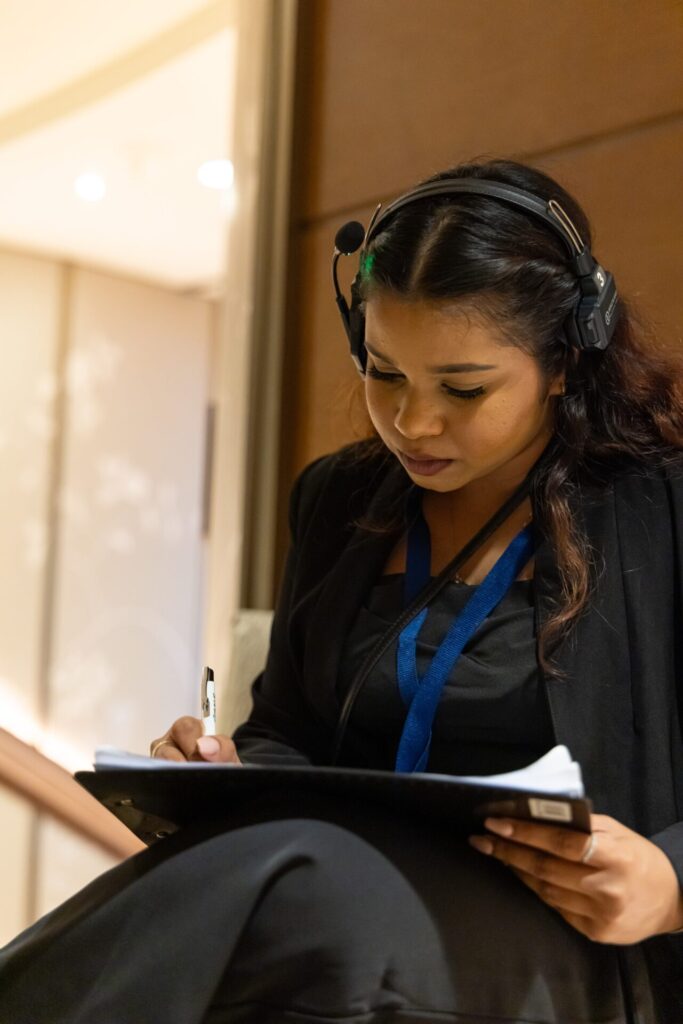


Set a hard deadline for headcount
Final headcount is one of the most consequential numbers in the entire planning process, and it is also one of the most commonly delayed. Catering quantities, seating arrangements, table numbers, and even certain vendor costs are all built around this figure, and every week it remains unconfirmed adds pressure to everything downstream of it.
At the eight week mark, it is worth setting a genuinely firm internal deadline for headcount confirmation, communicated clearly enough that department heads or team leads understand it is not a soft suggestion. Waiting until the final two weeks to chase this number down usually means making planning decisions on an estimate rather than a confirmed figure, which tends to create avoidable costs and last minute adjustments.
Lock the programme and run of show
By eight weeks out, the shape of the evening itself should be settled. This includes the order of activities, any awards or recognition segments, entertainment slots, speeches, and how the evening transitions between its more formal and more informal moments.
This does not mean every detail needs to be finished, but the overall structure should be firm enough that vendors, the venue, and internal stakeholders are all working from the same version of the night. A programme that is still being reshaped in the final weeks tends to create confusion for everyone involved, from the production team to the colleagues expected to speak or present.
Communicate expectations to the wider team
A D&D is meant to activate culture across the whole organisation, not just within the planning committee, and that requires giving the wider team enough notice to actually engage with it. Dress code, timing, any theme, and what to expect from the evening should be communicated clearly by this point, rather than announced in the final rushed week before the event.
This matters more than it might initially seem. Employees who feel informed and genuinely anticipate the event tend to show up differently from those who receive a last minute reminder about an evening they know little about. Culture is activated partly through the event itself, and partly through how the lead up to it makes people feel included in what is coming.
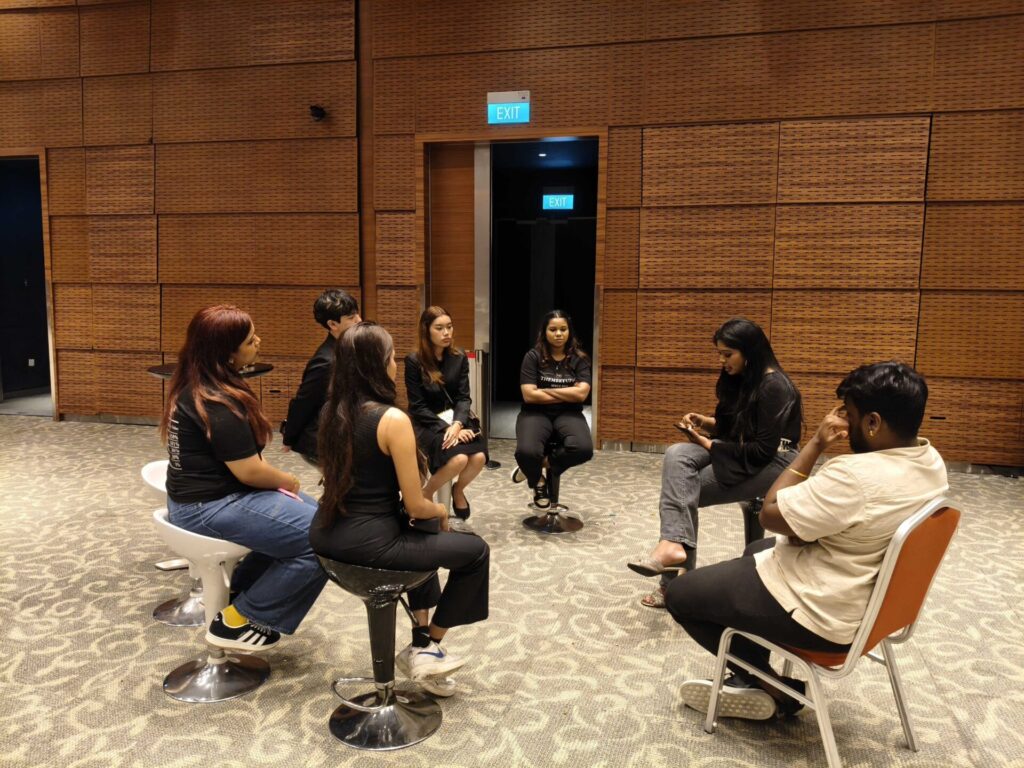
What happens if this window gets missed
Missing the eight week mark rarely means the D&D cannot happen. It usually means the team ends up making compromises that would have been entirely avoidable with earlier action. A less ideal venue, a second choice vendor, an estimated rather than confirmed headcount, or a programme finalised too late to properly rehearse.
None of these compromises are necessarily disastrous on their own, but they tend to compound. A team managing several unresolved decisions in the final weeks before a D&D usually has far less capacity to focus on the details that genuinely make the night feel special, because so much energy is going toward simply closing gaps that should have been closed much earlier.
Why this timeline matters for culture at scale
A D&D is one of the clearest opportunities a company has to activate its culture across the entire organisation at once, rather than within a single team or department. That kind of scale requires genuine lead time, because culture is rarely felt through a single evening alone. It is felt through the anticipation beforehand, the quality of the experience on the night, and the sense that the event was genuinely planned with care rather than assembled under pressure.
Locking in the right decisions by the eight week mark is what protects that experience, giving the team enough room to focus on what actually makes the night meaningful, rather than simply getting it finished on time.
Planning your next D&D in Singapore?
TheMeetUpSG helps HR teams plan dinner and dance events that genuinely activate culture across the whole organisation, with enough lead time to get every detail right rather than rushed. If your D&D is approaching and you want a clear plan for what needs to be locked in now, we are happy to help you map it out.

Speak to TheMeetUpSG about your next corporate event! Contact us here.